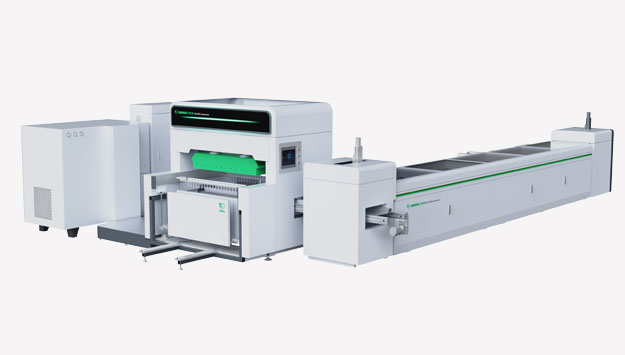
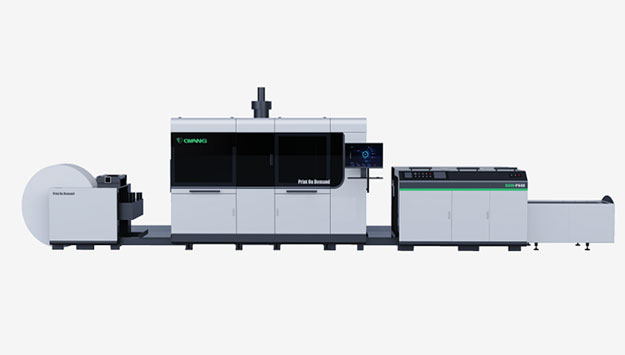
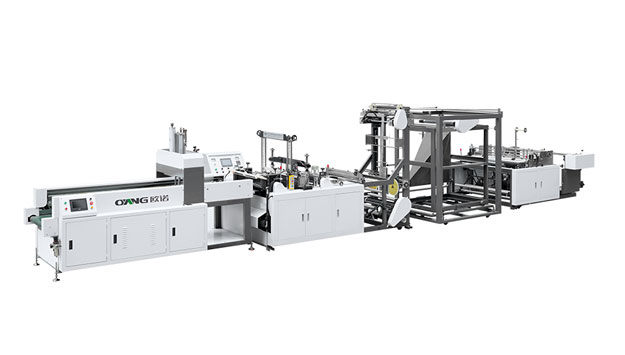
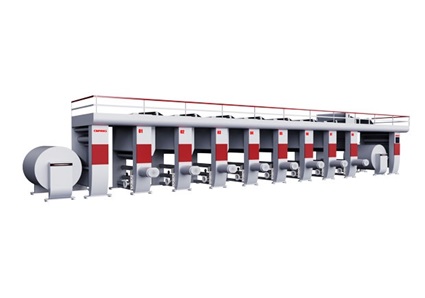
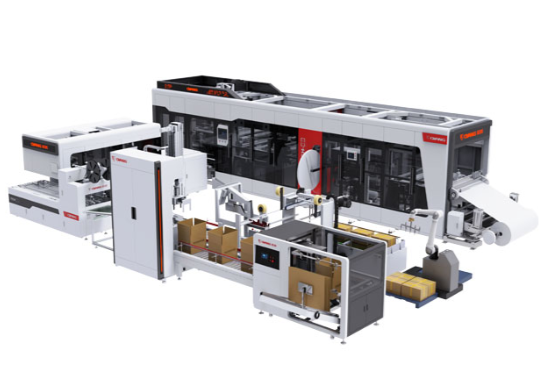
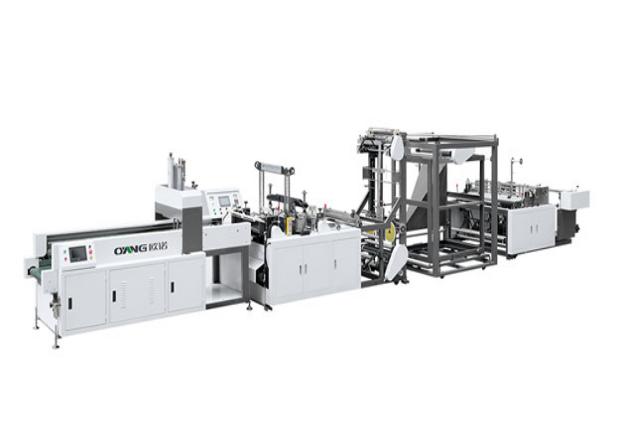
The growing demand for flexible packaging has made pouches one of the most widely used packaging formats in industries such as food, beverages, cosmetics, pharmaceuticals, and household products. Behind the efficient production of these lightweight and versatile packages is advanced manufacturing technology. A pouch making machine enables manufacturers to convert flexible films and laminated materials into finished pouches through precise processes including material feeding, sealing, cutting, and quality control.
Compared with traditional manual packaging methods, modern pouch production systems provide higher efficiency, better consistency, and reduced material waste. Understanding how a pouch making machine works, what types of pouch structures it can produce, and how different materials affect production performance can help businesses select suitable equipment for their packaging requirements.
This guide explains the structures, materials, workflow, and key selection factors of pouch manufacturing equipment to help manufacturers better understand modern pouch production solutions.
What Is a Pouch Making Machine?
A pouch making machine is an automated packaging machine designed to manufacture flexible pouches from roll materials such as plastic films, laminated films, aluminum foil composites, and other packaging substrates. The machine performs multiple processes in a continuous production line, including film feeding, alignment, sealing, cutting, and finished pouch collection.
Unlike simple bag-forming equipment, a modern pouch manufacturing system is designed to handle different pouch styles and packaging requirements. Depending on the machine configuration, it can produce flat pouches, three-side seal pouches, four-side seal pouches, stand-up pouches, and other flexible packaging formats.
A reliable pouch manufacturing machine improves production efficiency by controlling important factors such as sealing temperature, film tension, cutting accuracy, and machine speed. These functions help manufacturers achieve stable pouch quality while meeting the requirements of different industries.
For companies producing packaged food, medical products, cosmetics, or daily consumer goods, selecting suitable pouch making equipment is an important step toward improving packaging efficiency and maintaining consistent product quality.
Common Pouch Structures Produced by Pouch Making Equipment
Different products require different pouch structures depending on storage conditions, transportation needs, and consumer usage habits. Modern pouch making equipment is designed with flexible configurations to produce various pouch styles while maintaining accurate dimensions and reliable sealing performance.
The most common pouch structures include:
Three-side seal pouches: These pouches are sealed on three edges and are commonly used for small-volume products such as snacks, pharmaceutical samples, and single-use packages. Their simple structure provides efficient production and easy filling.
Four-side seal pouches: With sealing on all four sides, these pouches offer stronger structure and improved appearance. They are often used for premium packaging applications that require better protection and visual presentation.
Stand-up pouches: Stand-up pouches include a bottom gusset that allows the package to stand upright. They are widely used for beverages, sauces, pet food, and household products because of their convenience and attractive design.
Spouted pouches: These pouches include a nozzle or spout system, making them suitable for liquid products such as juice, baby food, and cleaning solutions.
The choice of pouch structure directly affects the machine configuration, sealing method, and production process. Therefore, manufacturers should consider the final product requirements before selecting a suitable pouch making machine.
| Pouch Structure | Main Features | Common Applications |
|---|
| Three-side Seal Pouch | Simple structure, easy opening, efficient production | Snacks, samples, medical packaging |
| Four-side Seal Pouch | Strong sealing and premium appearance | Healthcare, cosmetics, specialty products |
| Stand-up Pouch | Upright design with better shelf display | Food, beverages, household products |
| Spouted Pouch | Convenient liquid dispensing | Drinks, sauces, liquid products |
Packaging Materials Used in Pouch Manufacturing
The performance of a pouch depends greatly on the materials used during production. A pouch manufacturing machine must be capable of processing different flexible packaging materials while maintaining accurate sealing and forming performance.
Common materials used in pouch production include plastic films, laminated structures, and barrier materials. Single-layer films may be suitable for basic packaging applications, while multilayer materials are often selected when products require stronger protection against moisture, oxygen, light, or contamination.
For example, polyethylene (PE) films provide flexibility and sealing performance, while polypropylene (PP) films offer good clarity and strength. Aluminum foil laminates are often used when high barrier protection is required because they help protect sensitive products from external environmental factors.
Material compatibility is an important consideration when choosing a pouch making machine. The machine must provide suitable heating systems, tension control, and sealing technology to handle different film structures effectively.
Manufacturers should evaluate the product shelf life, storage conditions, and packaging requirements before selecting materials. The right combination of material and equipment ensures better pouch durability and production stability.
Step-by-Step Pouch Manufacturing Machine Workflow
A modern pouch manufacturing machine completes pouch production through a continuous automated workflow. Although machine designs may vary, the general production process includes several essential stages:
Material Feeding and Film Alignment
The process begins when flexible film rolls are installed onto the feeding system. The machine continuously unwinds the material while maintaining proper tension. Automatic alignment systems ensure that the film moves accurately through each production stage.
Film Forming and Sealing
After feeding, the machine shapes the film according to the required pouch structure. Heating systems apply controlled temperature and pressure to create strong seals. Precise sealing parameters are necessary to prevent leakage and maintain package integrity.
Cutting and Finished Pouch Collection
After sealing is completed, the machine cuts the continuous pouch material into individual finished products. The collection system organizes the completed pouches for inspection, filling, or further packaging operations.
This automated workflow allows a pouch making machine to achieve high-speed production while maintaining consistent pouch dimensions and sealing quality.
Key Production Parameters That Affect Pouch Quality
The quality of finished pouches depends on several production parameters. Even advanced pouch making equipment requires accurate control of operating conditions to achieve stable results.
Important parameters include:
Sealing temperature: The temperature must match the material characteristics. Incorrect temperature settings may cause weak seals or damage to the film.
Sealing pressure and time: Proper pressure ensures strong bonding between film layers, while suitable sealing time improves production reliability.
Film tension control: Stable tension prevents wrinkles, misalignment, and uneven pouch dimensions during high-speed operation.
Cutting accuracy: Precise cutting ensures consistent pouch size and improves the overall appearance of finished products.
Machine speed: Production speed should be balanced with sealing quality. Excessive speed may affect sealing performance if parameters are not properly adjusted.
A well-designed pouch manufacturing machine integrates advanced control systems to monitor these factors and maintain stable production conditions.
How to Select the Right Pouch Making Machine for Your Packaging Products
Choosing the right pouch making machine requires careful evaluation of product requirements, production volume, material type, and future expansion plans. Different packaging applications require different machine capabilities, so manufacturers should focus on matching equipment performance with actual production needs.
Before purchasing, consider the following aspects:
Pouch type compatibility: Confirm whether the machine supports the pouch structures required for your products, including flat pouches, stand-up pouches, or spouted pouches.
Material processing capability: Ensure the equipment can handle the films and laminated materials used in your packaging process.
Production capacity: Select machine speed and automation levels according to your expected output. High-volume production usually requires equipment with stable continuous operation.
Quality control features: Advanced temperature control, tension systems, and automatic monitoring functions help improve pouch consistency.
Maintenance and operation requirements: Equipment with convenient maintenance design and reliable components can reduce downtime and improve long-term productivity.
A suitable pouch making equipment solution should provide a balance between production efficiency, packaging quality, and operating cost. Careful evaluation before investment helps manufacturers achieve better performance throughout the equipment lifecycle.
 English