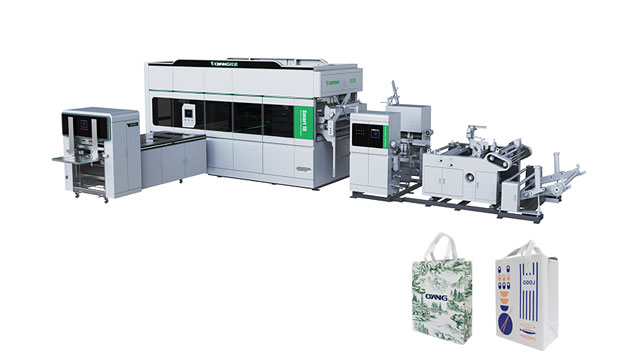
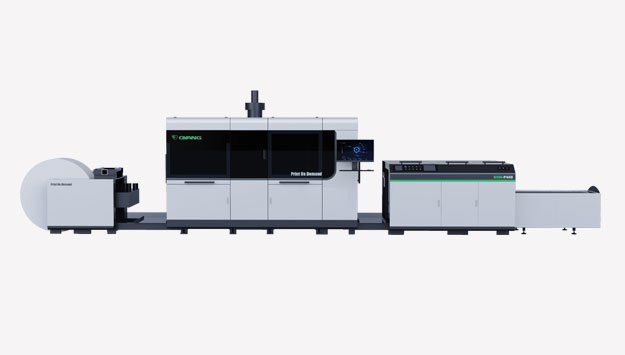
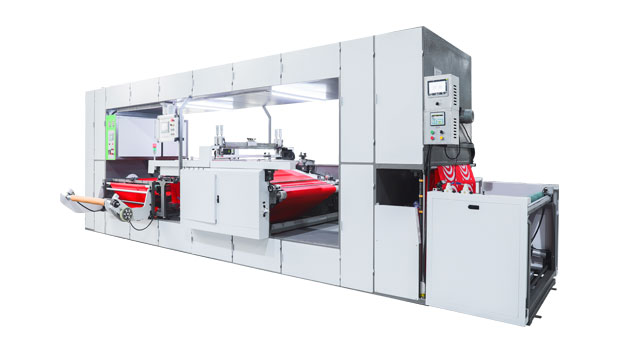
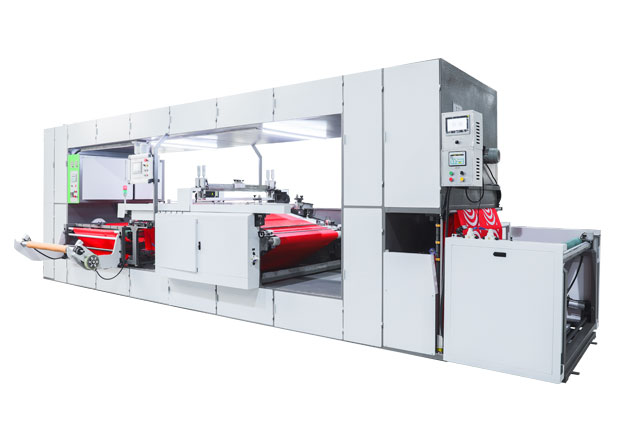
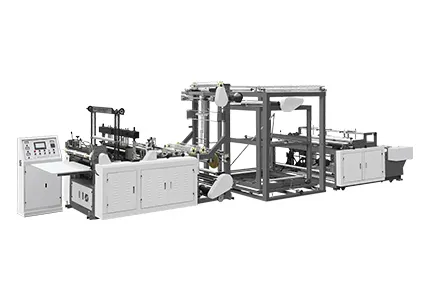
With the increasing demand for sustainable packaging solutions, paper bags have become an essential choice for retail, food, fashion, and industrial applications. Behind every high-quality paper bag is advanced manufacturing equipment that ensures stable production, accurate dimensions, and consistent quality. A paper bag making machine plays a critical role in transforming raw paper rolls into fully formed bags through a series of automated processes, including paper feeding, tube forming, gluing, cutting, folding, and collection.
Understanding how a paper bag making machine works helps manufacturers choose the right equipment, improve production efficiency, and achieve better cost control. Modern machines are designed to handle continuous production with high precision, reducing manual intervention while maintaining reliable output.
This article explains the complete working process of a paper bag manufacturing system, from the initial paper roll feeding stage to the final finished bag collection, and provides guidance on selecting a suitable paper bag production machine according to production requirements.
What Is a Paper Bag Making Machine?
A paper bag making machine is an automated industrial machine designed to produce paper bags from rolls or sheets of paper. It integrates multiple production processes into one continuous workflow, allowing manufacturers to efficiently produce large quantities of paper bags with consistent quality.
Unlike traditional manual bag-making methods, modern paper bag machines can complete paper forming, adhesive application, cutting, bottom shaping, and bag output automatically. Depending on the machine design, it can manufacture different types of paper bags, including shopping bags, food packaging bags, flat bags, and other customized paper packaging products.
A complete paper bag manufacturing machine usually works with kraft paper, coated paper, or other packaging-grade materials. The machine controls paper tension, positioning accuracy, and forming pressure to ensure that every bag meets required size and strength standards.
For businesses requiring high-volume packaging production, investing in an automated paper bag production system can significantly improve productivity, reduce labor costs, and maintain stable manufacturing performance.
Main Components of a Paper Bag Manufacturing Machine
A modern paper bag manufacturing machine consists of several key components that work together to complete the entire production cycle. Each part has a specific function to ensure smooth operation and consistent bag quality.
| Main Component | Function in the Production Process |
|---|
| Paper Roll Feeding System | Provides continuous paper supply and controls material movement |
| Tension Control Unit | Maintains stable paper tension to prevent wrinkles or misalignment |
| Gluing System | Applies adhesive accurately for tube and bottom formation |
| Forming Unit | Shapes flat paper into a tubular bag structure |
| Cutting System | Cuts paper tubes into required bag lengths |
| Bottom Folding System | Creates and seals the bottom structure of the paper bag |
| Collection System | Organizes finished bags for packaging or further processing |
The feeding system is responsible for delivering paper material smoothly into the machine, while the forming and folding units determine the final bag shape. Advanced machines also include sensors and automatic control systems to monitor production conditions and improve operational stability.
For manufacturers looking for higher efficiency, selecting a reliable paper bag production machine with precise control systems is essential because the performance of each component directly affects the final product quality.
Step 1: Paper Roll Feeding, Tension Control and Web Alignment
The first stage of a paper bag making machine begins with paper roll feeding. Large rolls of kraft paper or other packaging materials are installed on the unwinding unit, where the paper is continuously released into the production line.
During this process, tension control is extremely important. If the paper tension is too high, the material may stretch or tear. If the tension is too low, wrinkles and inaccurate positioning may occur. Therefore, modern machines use automatic tension control systems to maintain a stable paper feeding speed.
The web alignment system ensures that the paper moves through the machine in the correct position. Precision sensors detect any deviation and automatically adjust the paper path. This prevents uneven edges, incorrect folding, and size variations in finished bags.
A stable feeding process creates the foundation for the following manufacturing steps. Whether producing standard shopping bags or specialized packaging bags, accurate paper handling directly influences the efficiency and reliability of the entire paper bag manufacturing machine.
Step 2: Tube Forming, Side Gluing and Bag Length Cutting
After the paper roll enters the forming section, the machine begins creating the basic bag structure. This stage converts flat paper material into a continuous paper tube through controlled folding and shaping.
The side gluing process applies adhesive along the paper edge, allowing the folded paper to maintain its tubular shape. The glue amount and position must be accurately controlled because insufficient adhesive can weaken the bag, while excessive glue may affect appearance and production efficiency.
Once the paper tube is formed, the cutting unit divides it into individual sections according to the required bag length. The cutting system operates with high precision to ensure consistent dimensions across every bag.
This automated process allows a paper bag making machine to achieve fast production speeds while maintaining uniform size and quality. Compared with manual production methods, the integrated forming and cutting system greatly improves manufacturing efficiency and reduces material waste.
Step 3: Bottom Forming, Folding and Final Bag Collection
The final production stage focuses on creating the bottom structure of the paper bag and preparing finished products for collection. After cutting, each paper tube enters the bottom forming section, where the machine folds the paper and applies adhesive to create a secure bottom seal.
The bottom design determines the bag’s load-bearing capability. For example, bags used for groceries or industrial packaging require stronger bottom structures compared with lightweight promotional bags. A high-quality paper bag production machine provides accurate folding pressure and adhesive control to ensure durability.
After bottom forming is completed, the finished bags are automatically collected and arranged. Some advanced systems include counting functions and automatic stacking devices, making it easier for operators to handle large production volumes.
The complete automated workflow allows manufacturers to produce thousands of paper bags efficiently while maintaining stable quality. This is why modern paper bag manufacturing equipment has become an important investment for companies involved in sustainable packaging production.
How to Choose a Paper Bag Production Machine for Your Required Output
Choosing the right paper bag production machine depends on several factors, including production capacity, bag specifications, material type, and automation requirements. Different manufacturers have different production goals, so selecting equipment based only on price may not always provide the best long-term value.
When evaluating a machine, consider the following key factors:
Production speed and output capacity: The machine should match your expected daily or monthly production volume. High-output manufacturers usually require equipment with faster operating speeds and continuous production capability.
Bag size and application range: Different machines support different bag widths, lengths, and paper materials. Confirm that the selected equipment can produce the bag types required for your target market.
Automation level: Fully automated systems can reduce manual labor and improve consistency, while simpler machines may be suitable for smaller production requirements.
Machine stability and maintenance: Reliable mechanical structures, easy maintenance access, and durable components help reduce downtime and improve operational efficiency.
A professional paper bag making machine should provide a balance between production efficiency, product quality, and operating cost. Before purchasing, manufacturers should analyze their production needs carefully and choose equipment that can support future business growth.
 English