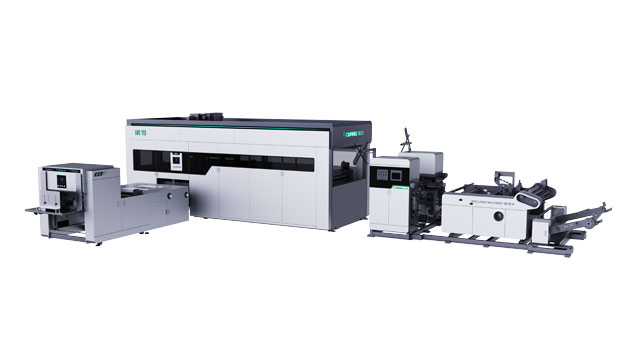
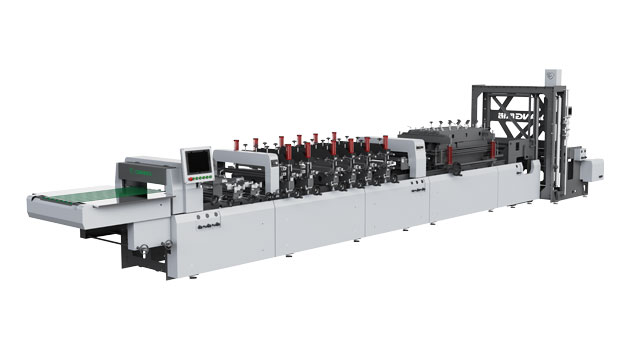
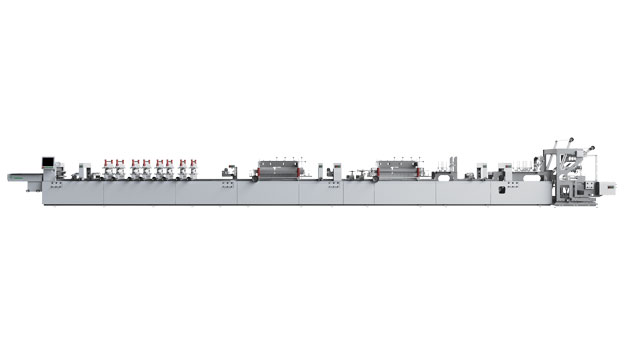
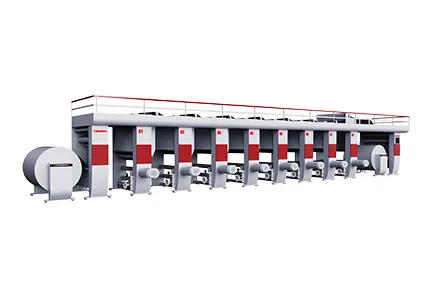
The packaging industry is experiencing rapid changes as brands increasingly require flexible designs, smaller production quantities, and faster time-to-market. Traditional printing methods are often optimized for large-volume production, but they may become less efficient when companies need frequent design updates, customized packaging, or short production runs.
A digital printing machine for packaging provides an advanced solution by allowing manufacturers to print high-quality graphics directly onto packaging materials without the need for traditional printing plates or cylinders. This technology improves production flexibility while reducing preparation time and material waste.
From food packaging and retail bags to customized promotional products, digital printing technology enables businesses to respond quickly to changing market demands. Understanding how digital packaging printing works, its suitable applications, and how to select the right equipment helps manufacturers improve efficiency and expand packaging capabilities.
What Is a Digital Printing Machine for Packaging?
A digital printing machine for packaging is an advanced printing system designed to apply digital images, graphics, text, and variable information directly onto packaging materials. Unlike conventional printing methods that require physical plates, digital printing uses computer-controlled technology to transfer designs directly from digital files to the printing surface.
This direct printing method provides greater flexibility because manufacturers can change designs quickly without producing new plates or cylinders. As a result, digital printing is especially suitable for short-run packaging production, seasonal products, limited editions, and personalized packaging campaigns.
A modern digital printing system can process various packaging materials, including paper, cardboard, films, labels, and flexible packaging substrates. Depending on the machine configuration, it can support different applications such as bags, boxes, pouches, and other customized packaging products.
For businesses requiring efficient small-batch production, a digital bag printing machine provides an effective way to produce attractive packaging with faster turnaround times and lower setup requirements.
How the Digital Packaging Printing Process Works
The working process of a digital printing system is different from traditional printing methods because it eliminates the need for physical printing plates. Instead, the machine receives digital artwork directly from design software and applies ink precisely according to the programmed image.
The basic workflow includes several important stages:
Digital File Preparation
The packaging design is created and optimized using professional design software. Color settings, image resolution, and printing parameters are adjusted to ensure accurate output.
Material Feeding and Position Control
Packaging materials are loaded into the machine, and automatic feeding systems maintain stable material movement. Sensors help control positioning accuracy to ensure the design is printed correctly.
Digital Ink Transfer and Printing
The printing system applies ink directly onto the packaging surface through advanced digital printing technology. The machine controls ink placement, color distribution, and image details according to the digital file.
Drying and Quality Inspection
After printing, the ink is dried or cured to improve durability. Finished products can then be inspected for color accuracy, image quality, and surface performance.
This streamlined workflow allows a digital printing machine for packaging to produce high-quality packaging efficiently, especially when production requirements involve frequent design changes or limited quantities.
Packaging Materials and Products Suitable for Digital Printing
One of the biggest advantages of digital packaging printing is its ability to handle different materials and product formats. A well-designed digital printing system provides manufacturers with greater flexibility compared with traditional methods.
Common materials suitable for digital printing include paper-based packaging, coated paper, corrugated materials, plastic films, laminated substrates, and specialty packaging materials. The exact material compatibility depends on the machine technology and ink system.
| Packaging Material | Typical Applications |
|---|
| Paper and Kraft Materials | Shopping bags, food packaging, retail packaging |
| Cardboard and Corrugated Board | Boxes, display packaging, shipping cartons |
| Plastic Films and Flexible Materials | Pouches, wrappers, flexible packaging |
| Labels and Specialty Materials | Product labels, promotional packaging |
Digital printing is widely used across industries because it supports different packaging formats while maintaining detailed images and strong visual appeal.
A digital bag printing machine is particularly useful for companies producing paper bags, retail bags, and customized packaging products because it allows rapid design changes without significant setup costs.
Why Digital Printing Is Ideal for Short-Run Packaging Orders
Short-run packaging production has become increasingly important as brands launch limited products, test new markets, and respond quickly to consumer trends. Traditional printing methods often require expensive preparation processes, making small orders less economical.
A digital printing machine for packaging solves this challenge by reducing setup time and eliminating the need for printing plates. Manufacturers can produce smaller quantities while maintaining professional print quality.
The main advantages of digital printing for short runs include:
Lower preparation costs: Digital printing does not require plate production, reducing initial expenses for small orders.
Faster production turnaround: Designs can be changed quickly, allowing manufacturers to respond faster to customer requirements.
Reduced material waste: Digital technology minimizes setup waste because printing starts directly from the digital design file.
Greater design flexibility: Multiple designs can be produced in the same production cycle without changing physical printing components.
These advantages make digital printing an ideal solution for businesses that require flexible production instead of only high-volume standardized manufacturing.
Variable Data, Personalized Designs and Versioned Packaging
Modern consumers increasingly value personalized products and unique packaging experiences. Digital printing technology supports variable data printing, allowing each package to contain different designs, images, codes, or information within the same production run.
For example, companies can create limited-edition packaging, regional versions, promotional campaigns, or personalized customer products without interrupting the production process.
An industrial digital printing machine provides the flexibility required for these applications because it can process changing digital information automatically. This capability is especially valuable for brands that need multiple packaging versions but do not want to manage separate printing setups.
Variable design capability also helps companies improve marketing strategies. Packaging can be updated more frequently to match seasonal campaigns, special events, or changing consumer preferences.
Unlike traditional printing methods that are optimized for fixed designs, digital printing allows packaging manufacturers to create more dynamic and responsive solutions.
How to Choose an Industrial Digital Printing Machine for Packaging Production
Selecting the right industrial digital printing machine requires careful consideration of production requirements, material types, print quality expectations, and future business needs.
Different manufacturers have different priorities. Some may focus on high-speed production, while others may need maximum design flexibility for customized packaging projects.
Important factors to evaluate include:
Printing speed and production capacity: Choose equipment that matches your expected output while maintaining stable print quality.
Material compatibility: Confirm that the machine can process the packaging materials used in your production environment.
Print resolution and color performance: High-quality graphics require accurate color control and precise image reproduction.
Ink technology: Different ink systems provide different advantages in terms of durability, appearance, and material compatibility.
Automation features: Advanced feeding systems, digital controls, and monitoring functions can improve production efficiency.
A suitable digital printing machine for packaging should balance flexibility, productivity, and operating costs. Manufacturers should evaluate both current requirements and future expansion plans before investing in equipment.
 English