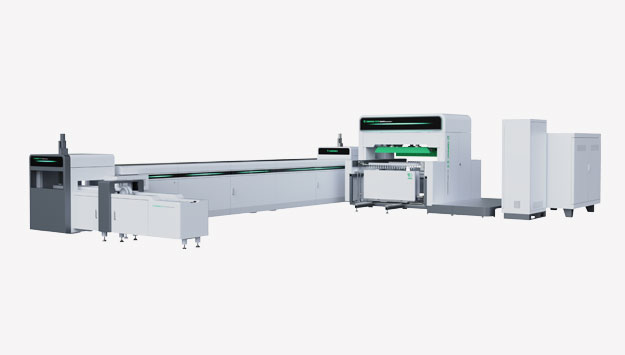
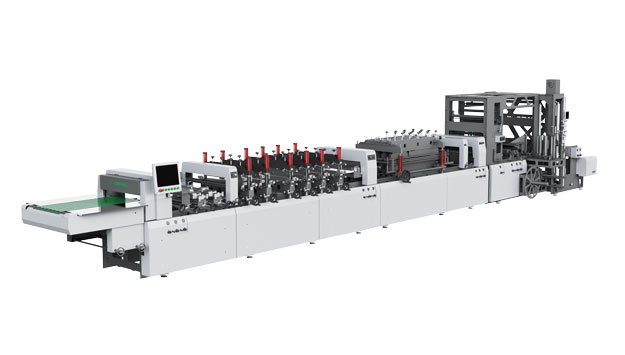
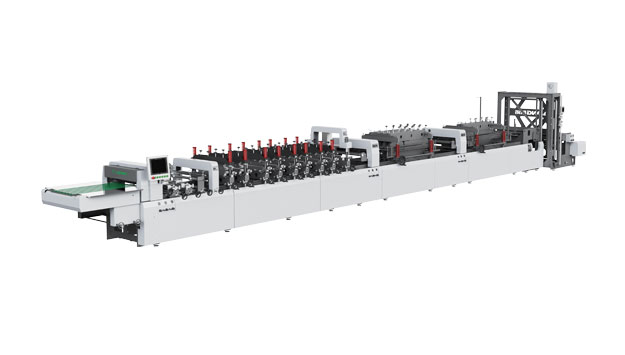
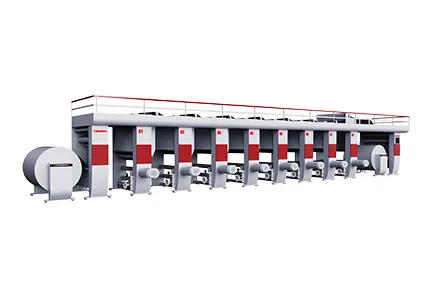
Choosing between bag making machine manufacturers and bag making machine suppliers directly affects equipment quality, delivery reliability, technical support, and long-term production performance. Overseas buyers should not make decisions based only on machine price. The right partner should be able to prove manufacturing capability, provide real production validation, and support installation and after-sales service throughout the machine lifecycle.
Manufacturer vs Supplier: What Do Different Cooperation Models Mean for Project Delivery?
A manufacturer usually controls the complete production process, including machine design, component selection, assembly, testing, and technical improvement. Working directly with bag making machine manufacturers often provides better communication on customization, production requirements, and engineering solutions.
A supplier may integrate equipment from different factories and focus more on sales channels, logistics, and order coordination. This model can work for standard machines, but buyers should carefully verify the actual production source and technical responsibility before placing an order.
For overseas projects, the key difference is not only who sells the machine, but who takes responsibility when technical challenges appear. A reliable partner should be able to provide clear information about machine origin, production process, quality control, and service capability.
How to Judge Manufacturing Capability Instead of Only Comparing Prices?
Many buyers search for competitive quotations when they buy bag making machine, but the lowest price does not always represent the lowest total cost. Equipment reliability, output stability, energy consumption, and maintenance requirements have a major impact on long-term profitability.
Before ordering, overseas buyers should verify:
Factory production facilities and assembly capability
Engineering team experience in bag-making applications
Quality inspection procedures for key components
Machine testing records before shipment
Previous export projects and customer references
A professional manufacturer should be able to explain why a machine configuration is suitable for specific materials, bag types, production speeds, and operating conditions.
How Can Trial Runs, Sample Bags, and Production Verification Reduce Purchasing Risks?
Can a bag making machine manufacturer provide sample testing before shipment?
Yes. Pre-shipment testing is one of the most effective ways to evaluate equipment performance. Buyers should request trial production using their own raw materials whenever possible.
Important verification points include:
Finished bag quality and sealing strength
Actual production speed under stable operation
Material compatibility, including film thickness and structure
Machine adjustment process and operator requirements
Consistency during continuous production
Experienced bag making machine suppliers should provide detailed testing videos, production data, or factory acceptance testing options instead of relying only on technical specifications.
How Should Overseas Buyers Evaluate Installation, Training and Spare Parts Support?
For international customers, machine delivery is only the beginning of cooperation. Proper installation, operator training, and technical support determine whether the equipment can reach expected production capacity.
Before cooperation, buyers should confirm:
Whether remote installation guidance or on-site service is available
Training content for operators and maintenance teams
Response time for technical problems
Availability of original spare parts
Long-term software and mechanical support
A supplier that only handles shipment but cannot provide technical assistance may create additional risks after the machine arrives at the customer’s factory.
What Production Information Should Be Prepared Before Sending an RFQ?
What details do manufacturers need before recommending a bag making machine?
A professional RFQ should include more than machine type and target price. Providing detailed production requirements helps manufacturers design an accurate configuration.
Overseas buyers should prepare:
Bag type and application
Raw material specifications
Film width and thickness range
Required production speed
Daily or monthly output targets
Automation requirements
Power supply standards of the destination country
Special functions or customization needs
With complete information, experienced bag making machine manufacturers can recommend a practical solution instead of providing a general quotation.
FAQs
What is the difference between a bag making machine manufacturer and supplier?
A manufacturer produces and engineers the equipment, while a supplier mainly focuses on sales and distribution. Manufacturers usually provide stronger technical support and customization capability, while suppliers may offer wider product choices.
How can I verify a bag making machine manufacturer before ordering?
Check factory capability, production experience, export history, customer cases, machine testing procedures, and after-sales service system. A reliable manufacturer should provide transparent technical information and real production evidence.
Is the cheapest machine the best choice for overseas buyers?
Not necessarily. A lower purchase price may lead to higher maintenance costs, unstable production, or limited technical support. Buyers should evaluate total ownership cost instead of only the initial investment.
What should I check before I buy a bag making machine from overseas?
Confirm machine specifications, production capacity, testing results, warranty terms, spare parts supply, installation support, and communication efficiency with the supplier or manufacturer.
Why is after-sales service important for exported bag making machines?
Because production interruptions can create significant losses. Fast technical support, available spare parts, and professional training help customers maintain stable production after installation.
 English