Introduction of a Non-Woven 3 in 1 Bag Making Machine
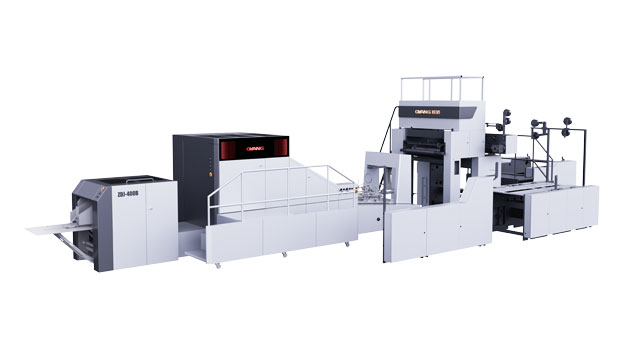
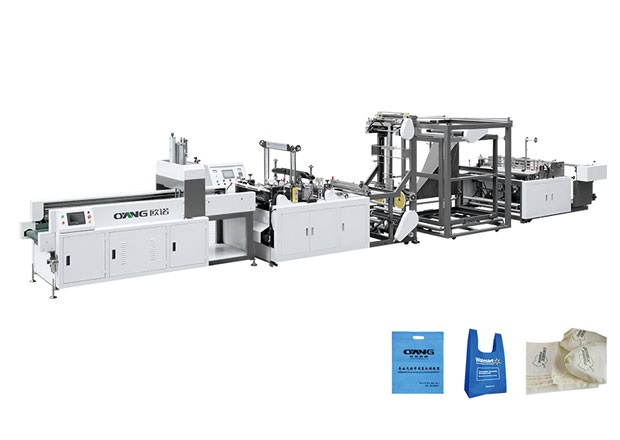
A Non-Woven 3 in 1 Bag Making Machine is an advanced automated system designed to produce eco-friendly T-shirt style bags from non-woven fabric. These bags are widely used in retail, supermarkets, and daily life as sustainable alternatives to plastic bags. The machine integrates multiple functions—feeding, folding, sealing, cutting, and stacking—into one streamlined process, controlled by precision servo motors and touch-screen systems. During operation, rolls of non-woven fabric are fed through ultrasonic sealing units that form strong and clean edges without adhesives. The Non-Woven 3 in 1 Bag Making Machine ensures every bag maintains consistent dimensions, strength, and appearance, meeting the growing global demand for reusable packaging solutions. Its high-speed automation and intelligent controls make it one of the most efficient technologies in the green packaging industry.
How Does a Non-Woven 3 in 1 Bag Making Machine Achieve High Production Efficiency?
The Non-Woven 3 in 1 Bag Making Machine achieves remarkable production efficiency through a combination of automated coordination, optimized motion control, and intelligent temperature management. Equipped with servo-driven systems, the nonwoven bag making machine operates smoothly at high speeds while maintaining accuracy in cutting and sealing. Its continuous production design eliminates downtime between cycles, ensuring a steady output rate ideal for mass manufacturing. The machine's intelligent monitoring systems instantly detect and correct material deviations, reducing waste and maintaining product uniformity. By integrating automation and real-time control, the Non-Woven 3 in 1 Bag Making Machine can produce thousands of eco bags per hour with minimal operator intervention, delivering both precision and reliability in large-scale production environments.
The Role of the Non-Woven 3 in 1 Bag Making Machine in Sustainable Packaging
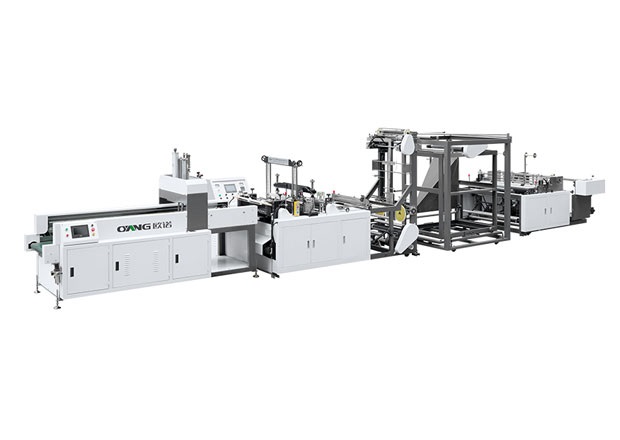
The Non-Woven 3 in 1 Bag Making Machine plays a vital role in the global transition toward sustainable packaging. Non-woven T-shirt bags are made from polypropylene fabric, which is recyclable and less harmful to the environment than traditional plastics. The production process eliminates toxic emissions and promotes energy efficiency through ultrasonic sealing rather than chemical bonding. This eco-friendly approach aligns with modern green manufacturing standards, making the Non-Woven 3 in 1 Bag Making Machine a preferred choice for environmentally conscious businesses. Its ability to produce durable, reusable, and visually appealing bags supports efforts to reduce single-use plastic consumption, advancing global sustainability goals while maintaining practicality and style in packaging solutions.
The Key to Modern Manufacturing
The Non-Woven 3 in 1 Bag Making Machine has become indispensable in modern manufacturing because it combines innovation, automation, and environmental responsibility in one system. It caters to the growing demand for efficient, reusable bag production in industries such as retail, fashion, and grocery. Its versatility allows manufacturers to create bags in various sizes and handle designs, all with consistent quality. The incorporation of touch-screen interfaces and automatic tension control ensures easy operation and precise material handling, even during long production runs. For manufacturers aiming to improve efficiency and sustainability simultaneously, the Non-Woven 3 in 1 Bag Making Machine represents a perfect integration of technology and environmental awareness, helping businesses align with global trends in eco-friendly production.
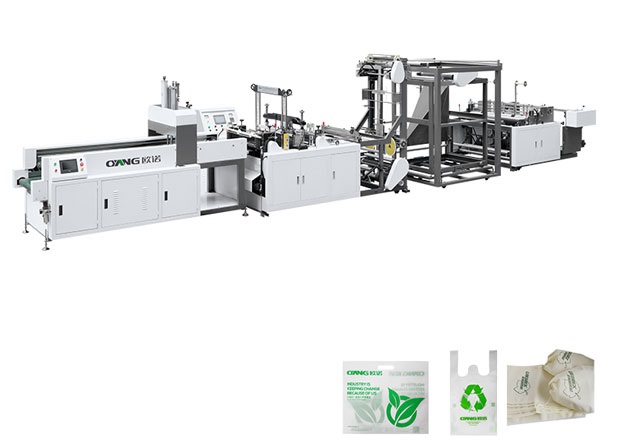
Future Development and Innovation in Non-Woven 3 in 1 Bag Making Machines
As sustainability and automation continue to shape global manufacturing, the Non-Woven 3 in 1 Bag Making Machine is evolving to meet higher standards of performance and environmental responsibility. Future designs focus on enhanced digital control, smart diagnostics, and energy optimization, enabling even more efficient production with minimal resource consumption. Integration with IoT technology allows for remote monitoring, predictive maintenance, and data-driven performance improvements. With the continuous innovation of materials and processes, the Non-Woven 3 in 1 Bag Making Machine will remain a key player in eco-packaging development, driving the creation of smarter, greener, and more versatile production systems that meet the world's demand for sustainable alternatives to plastic bags.
 English